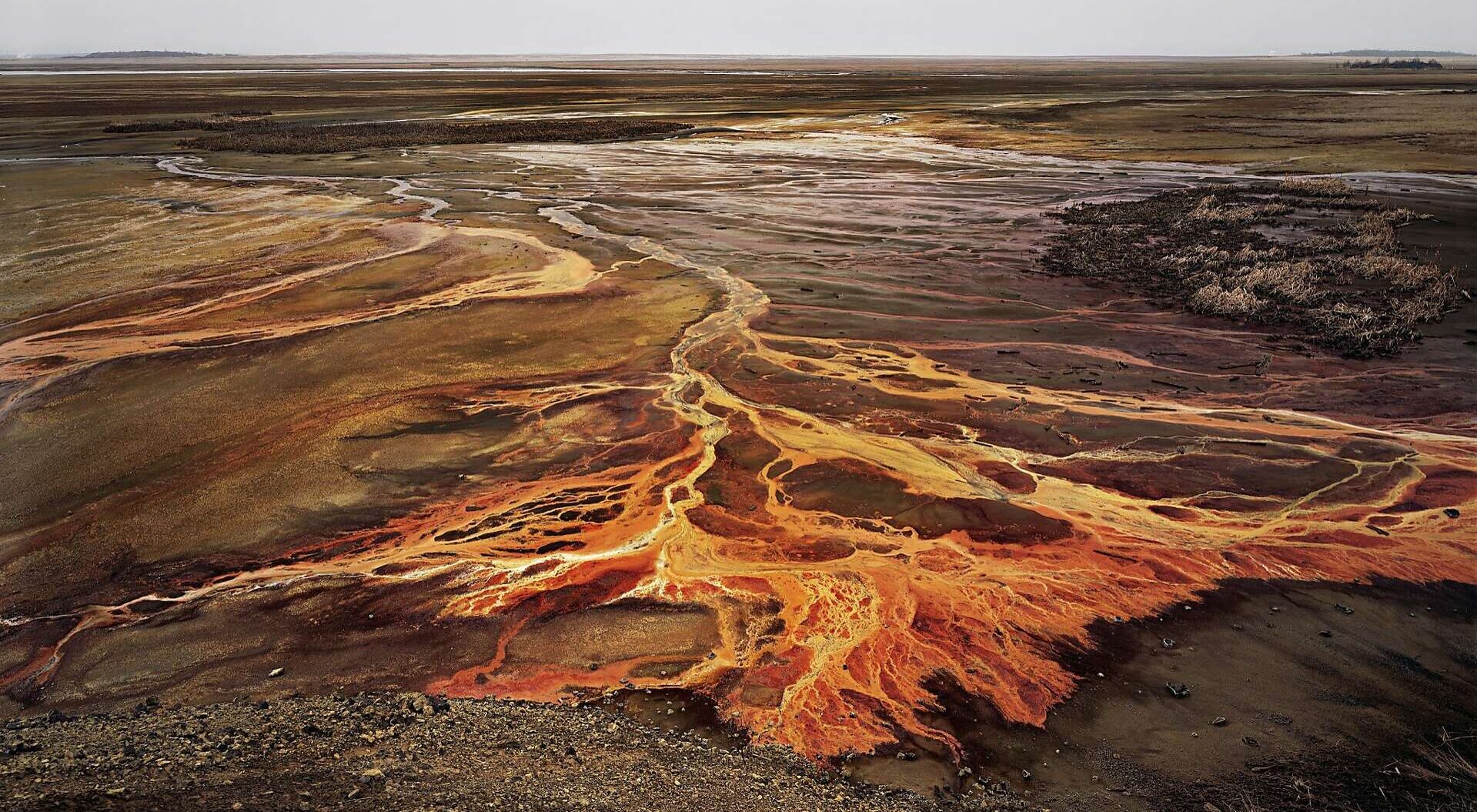
Everyone will discussion lead once during the semester. In short, for two of our Zoom sessions you will be the expert on a particular art work and lead a discussion through it. You will have around 15-20 minutes.
There are 3 things you want to accomplish in your discussion leading presentation:
- offer a patient, clear, and thorough explanation and description of your art work, not only its conceptual dimensions, but also its form (mediums, materials, speculating on how it might feel to experience it in person, etc.);
- connect your art work to some of the ideas from the readings associated with your artwork;
- get other students to ask questions about your object and get them involved in discussing the key ideas that relate to my lecture and the readings
Here are some practical things to keep in mind:
- you will need to prepare a powerpoint or keynote and share it with the class (if you know that your internet connection is too shaking to screen share, please let me know well ahead of time)
- make sure all visuals are properly captioned; if you show video, try to embed it into your powerpoint or have it ready to go (though be wary of any video materials that are too long or seem to be doing the discussion leading for you);
- feel free to make connections with contemporary issues or examples; this can often be productive for conversation (just make sure you do not deviate too far from the ideas at hand);
- make sure not to read from a script. Try to keep the presentation informal and engaging, and allow space for asking questions to the non-presenters;
- approach these discussion leadings as facilitating conversation with the class (and remember, non-presenters, you will be presenting at some point in the semester so abide by the golden rule…it’s not fun to offer your work and energy to a group that remains silent, unengaged, and/or unprepared);
- Take your time presenting and be patient and strive for clarity in unfolding the materials for the class–define any terms or ideas that may not be known to everyone;
- have fun.
Please don’t be nervous about these! I’m generous when grading these. If effort and interest are clearly there, you will almost certainly an A.
PRESENTATION SCHEDULE & FEATURED ART WORKS
Here is our schedule of classes with the selected art works to present on.
By the end of Thursday, June 4, please comment on this post with your top 3 preferences of art works. First come, first served (and remember: you have to be logged in your CUNY Academic Commons account to comment).
June 11 Discussion Leading I
Featured Art work: Ursula Biemann, Deep Weather, 2013
Presenter: Anna
Featured Art work: Monira Al Qadiri, Deep Float, 2017
Presenter: Stephanie
June 23 Discussion Leading II
Featured Art work: Save Movement Photography
Presenter: Jonise
Featured Art work: Laura Gustafsson and Terike Haapoja, The Trail, 2014
Presenter: Samihah
Featured Art work: Tuan Andrew Nguyen, Empty Forest, 2017
Presenter: Christine
Featured Art work: Not an Alternative/The Natural History Museum, Mining the HMNS: An Investigation, 2016
Presenter: Ena
July 2 Discussion Leading III
Featured Art work: Alberto Baraya, Another Amapola, NY, 2018
Presenter: Gg
July 16 Discussion Leading IV
Featured Art work: Forensic Oceanography (Charles Heller and Lorenzo Pezzani), “Liquid Traces: The Left-to-Die Boat Case,” 2012.
Presenter: Aisha
Featured Art work: Lise Autogena and Joshua Portway, Black Shoals Stock Market Planetarium, 2004
Presenter: Gina
Featured Art work: Arthur Jafa, Love is the Message, the Message is Death, 2016
Presenter: Lisa
Featured Art work: Kapwani Kiwanga, Flowers for Africa: Cameroon, 2020
Presenter: Zea
Featured Art work: Ursula Biemann and Paulo Tavares, Forest Law, 2014
Presenter: Nina
Featured Art work: Rasa Smite and Raitis Smits, Atmospheric Forest, 2020
Presenter: Deborah
Featured Art work: Zheng Bo, Socialism Good, 2016.
Presenter: Sebastian

This entry is licensed under a Creative Commons Attribution-NonCommercial-ShareAlike 4.0 International license.


Top 3 preferences of art works.
1. Arthur Jafa, Love is the Message, the Message is Death
2. Kapwani Kisangani, Flowers for Africa: Cameroon
3. Lise Autogena and Joshua Portway, Black Shoals Stock Market Planetarium
Top 3 preferences:
1.Lise Autogena and Joshua Portway, Black Shoals Stock Market Planetarium, 2004
2. Kapwani Kisangani, Flowers for Africa: Cameroon, 2020
3.Laura Gustafsson and Terike Haapoja, The Trail, 2014
Top 3 preferences:
Forensic Oceanography (Charles Heller and Lorenzo Pezzani), “Liquid Traces: The Left-to-Die Boat Case,” 2012.
Lise Autogena and Joshua Portway, Black Shoals Stock Market Planetarium, 2004
Rasa Smite and Raitis Smits, Atmospheric Forest, 2020
Top 3 Preferences
1. Rasa Smite and Raitis Smits, Atmospheric Forest, 2020.
2.Kapwani Kisangani, Flowers for Africa: Cameroon, 2020
3. Lise Autogena and Joshua Portway, Black Shoals Stock Market Planetarium, 2004
Top 3 choices:
1. Kapwani Kisangani, Flowers for Africa: Cameroon, 2020
2. Alberto Baraya, Another Amapola, NY, 2018
3. Save Movement Photography
1. Save Movement Photography
2. Laura Gustafsson and Terike Haapoja, The Trail, 2014
3. Not an Alternative/The Natural History Museum, Mining the HMNS: An Investigation, 2016
1. Not an Alternative/The Natural History Museum, Mining the HMNS: An Investigation, 2016
2. Kapwani Kisangani, Flowers for Africa: Cameroon, 2020
3. Rasa Smite and Raitis Smits, Atmospheric Forest, 2020
Top 3 preferences of art works.
1. Save Movement Photography
2.Arthur Jafa, Love is the Message, the Message is Death, 2016
3.Monira Al Qadiri, Deep Float, 2017
Preferences
1. Alberto Baraya, Another Amapola, NY, 2018
2. Kapwani Kisangani, Flowers for Africa: Cameroon, 2020
3. Ursula Biemann, Deep Weather, 2013
1. Tuan Andrew Nguyen, Empty Forest, 2017
2. Laura Gustafsson and Terike Haapoja, The Trail, 2014
3. Ursula Biemann, Deep Weather, 2013
Sorry, can I switch my first and second choices around? I don’t have an option to edit.
no problem!
My preferred three
1) Tuan Andrew Nguyen, Empty Forest, 2017
2)Ursula Biemann, Deep Weather, 2013
3) Armin Linke, Blind Sensorium: Il Paradosso dell’ Antropocene, 2019.